
Traditional Partnering Hypothetical Scenario and Case Study
(largely AI-generated written content)
Project Overview
Project Name: Kūpuna Village (Windward Oʻahu)
Project Type: Affordable Housing for Seniors (Kūpuna) and Community Resource Center
Location: Former underutilized private land near a coastal zone
Initial Budget: $85 million
Initial Schedule: 36 Months (Due to complex permitting)
Primary Challenge: Mitigating potential environmental impact on a sensitive coastal area, securing permits from multiple county/state agencies (including the City Council and DLNR), and addressing strong local community concerns about traffic and cultural preservation.
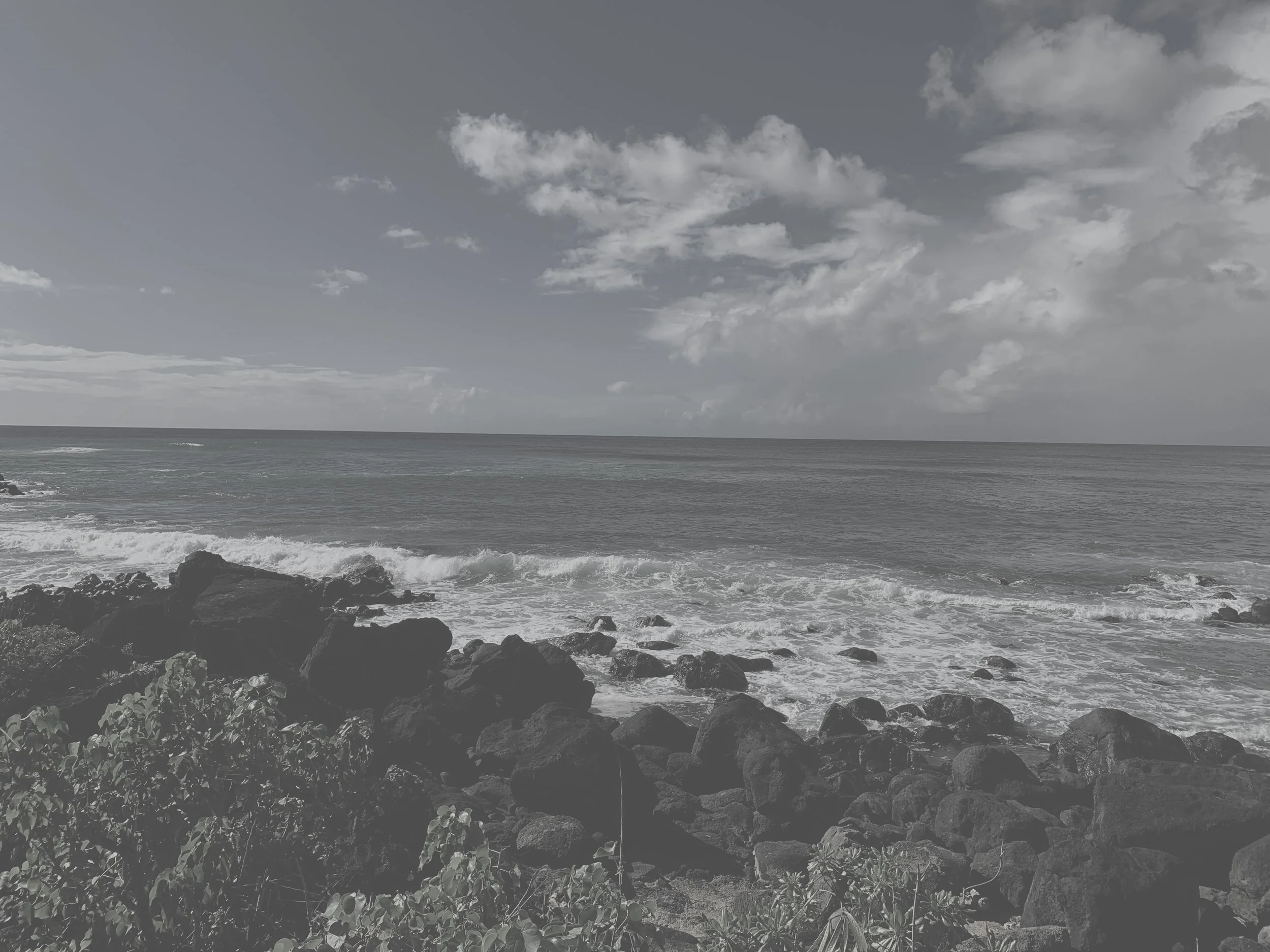
Original photo by April Hall on Unsplash
Key Stakeholders*
Land Developer/Owner: Koa Living Trust (A local non-profit focused on affordable housing).
General Contractor (GC): Hale Builders, LLC (A Hawaiʻi-based firm known for sustainable construction).
Lead Architectural/Engineering (A/E): Mālama Designs (Specializing in island-appropriate design and environmental compliance).
Local Government: City & County of Honolulu Department of Planning and Permitting (DPP) and the Kāne’ohe Neighborhood Board.
Community/Cultural Stakeholder: The Windward ʻOhana Council (A dedicated community group focused on cultural preservation and coastal resource management).
*All stakeholders (besides the local government) are fictitious. Any resemblance with an existing entity is by accident.
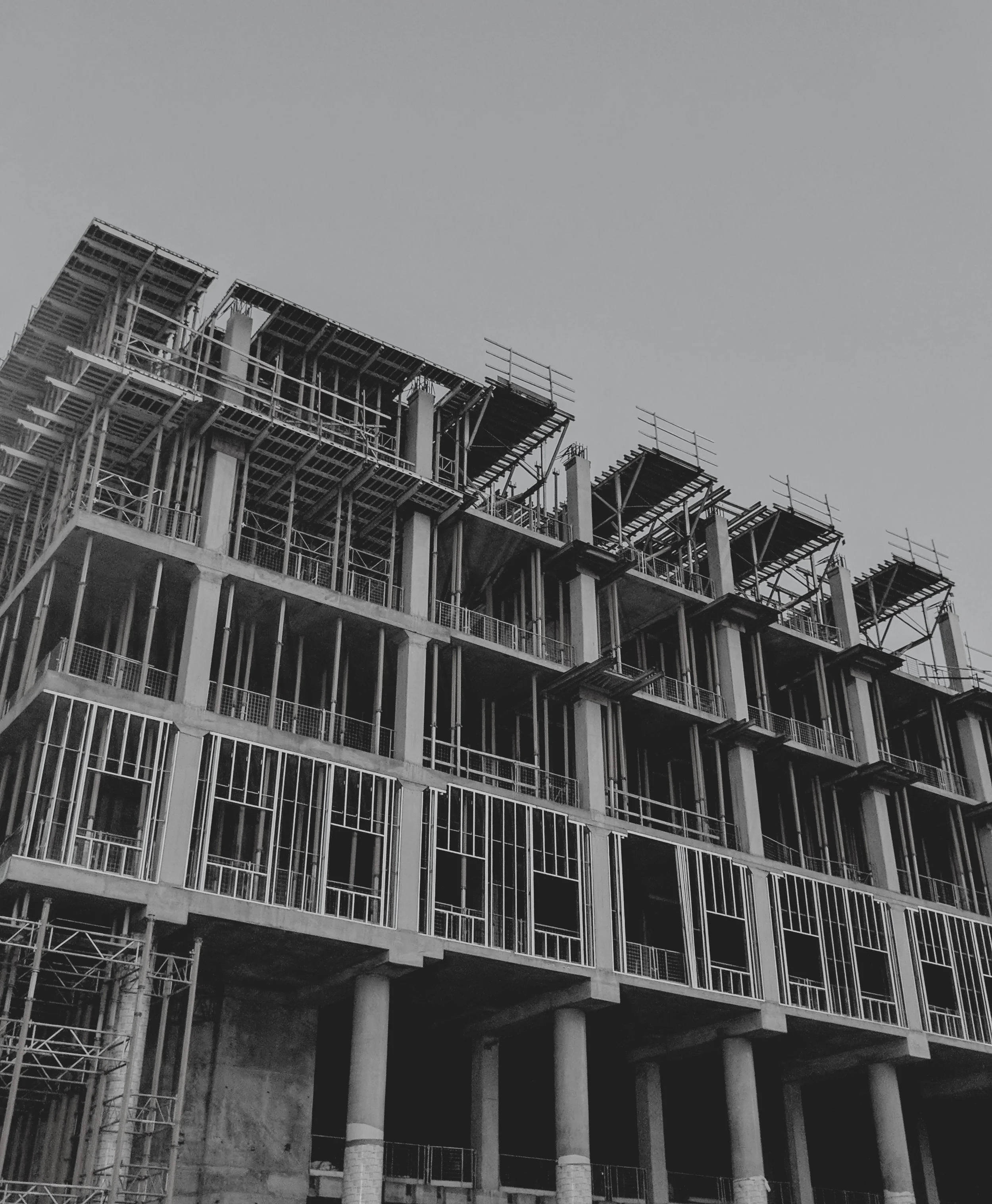
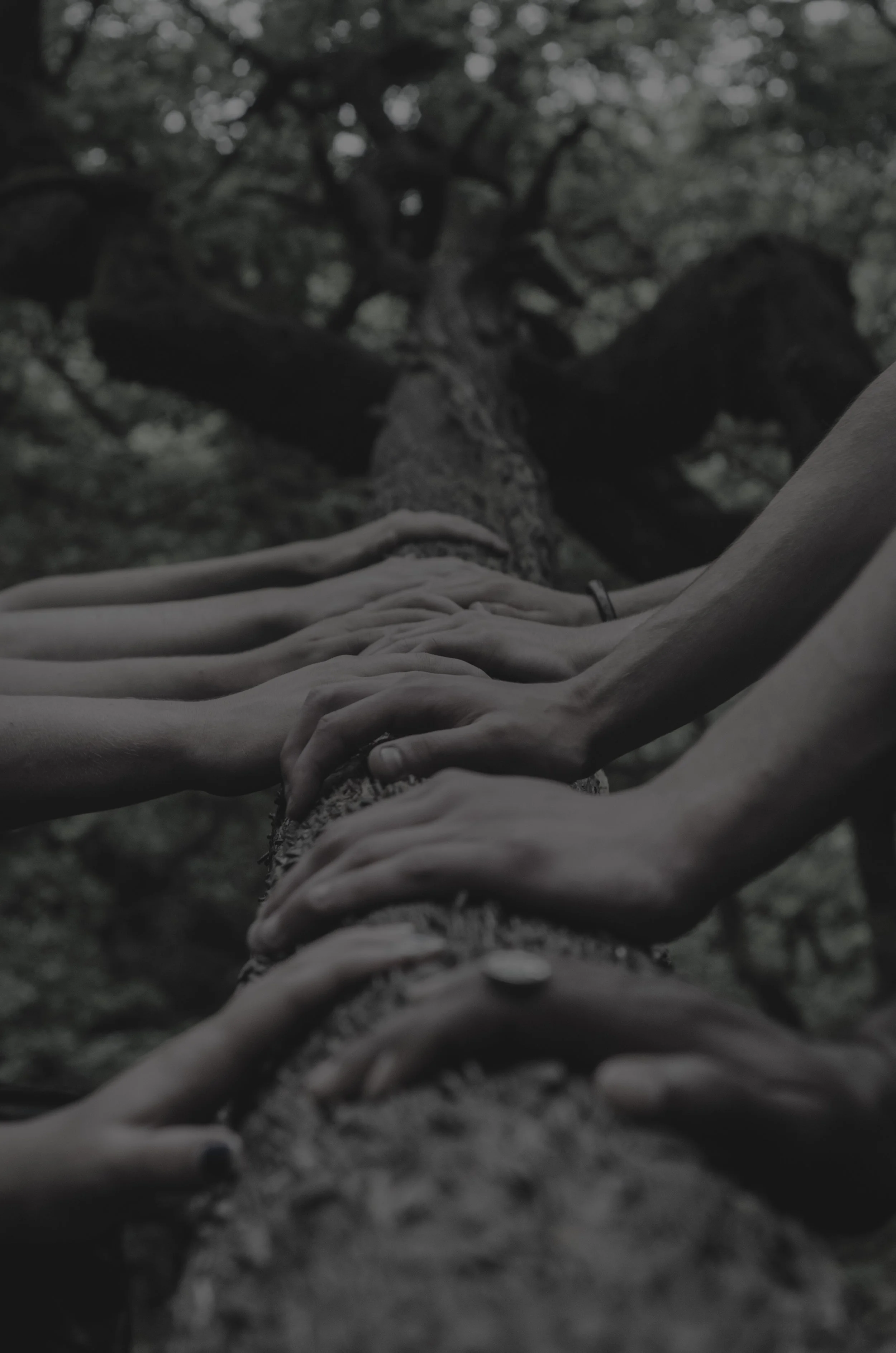
Original photo by Tolu Olubode on Unsplash
Ongoing Maintenance and Monitoring
Partnering Scorecard: A confidential rating system was used where each stakeholder rated the performance of the other stakeholders on a 1-5 scale across categories like Communication, Responsiveness, and Fair Dealing.
Monthly Steering Committee Meetings: Leadership met monthly to review key performance indicators (KPIs) and address potential issues flagged by the Partnering Scorecard.
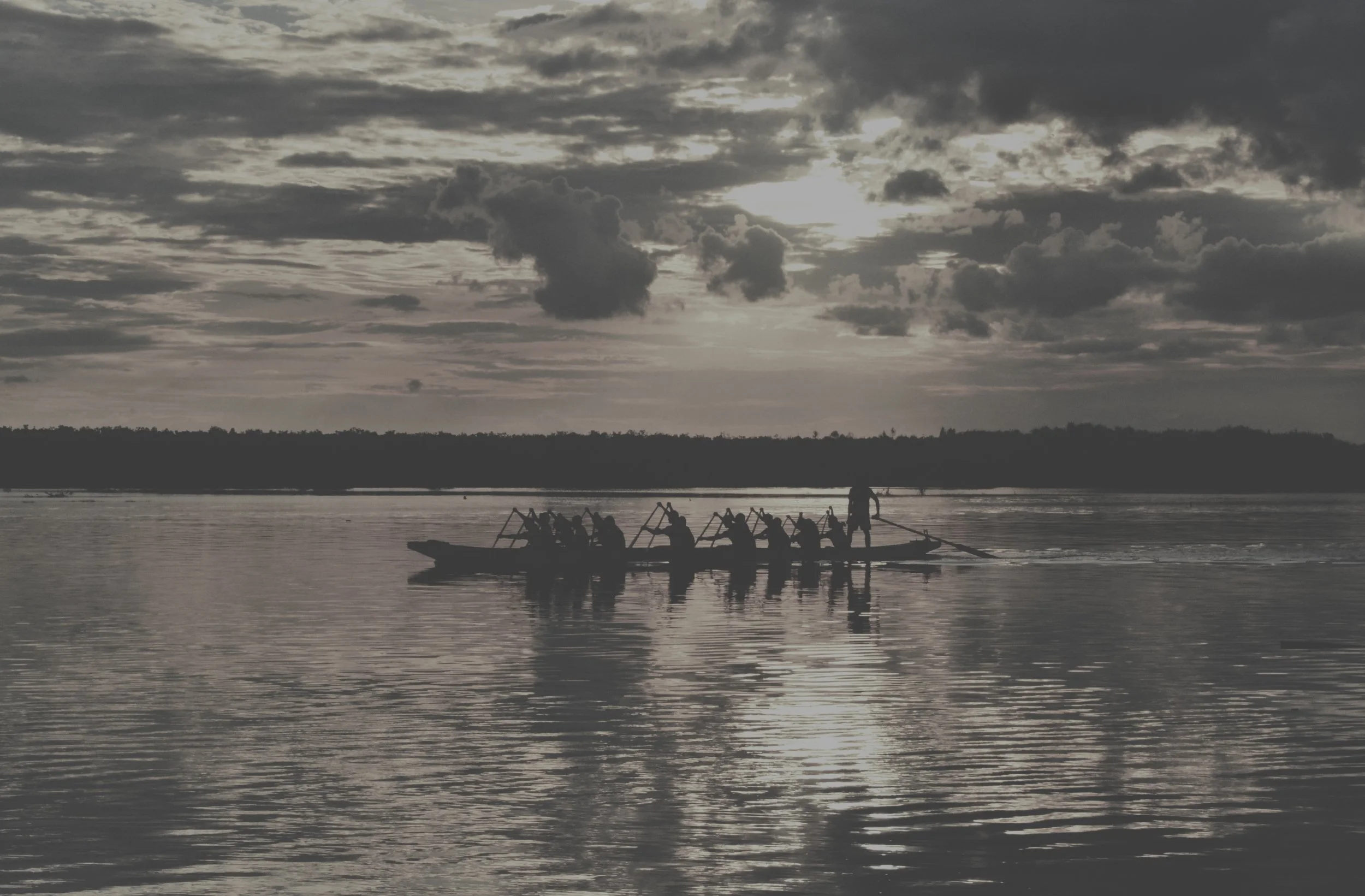
Original photo by Yapeter Tarung on Pexels
Implementing the Partnering Retreat
Koa Living Trust (Developer) recognized that success depended on trust (Hilinaʻi) and responsibility (Kuleana). They hosted a two-day Partnering Retreat involving leadership from all five key stakeholder groups, facilitated by an independent local consultant.
1. Introduction and Building 'Ohana (Family)
Goal: Establish laulima (working together) and mutual understanding.
Activity: Stakeholders shared their company's core values and their personal goals for the Kūpuna Village project. The facilitator emphasized that they were now a single, unified "Project Team."
Activity: The stakeholders then went through a Community Mapping Exercise. Each stakeholder group (including the Windward ʻOhana Council) presented their top three non-negotiables for the project, allowing the Developer to understand deeply-rooted cultural and environmental interests immediately.
2. Developing a Shared Vision and Mutual Goals (The Kuleana Charter)
Goal: Define success through a local lens and shift focus from individual agendas to collective success.
Activity: The team collaboratively drafted the Kūpuna Village Kuleana Charter, formalizing shared goals:
Zero Environmental Impact Notices (Consent Decree): Achieve full compliance with the Coastal Zone Management Act (CZMA) with zero violations.
Local Workforce Priority: Achieve 80% local hire (union or non-union) for construction and facility operations.
Cultural Integration: Preserve and enhance the identified small loʻi kalo (taro patch) area adjacent to the site as an educational resource, as requested by the ʻOhana Council.
3. Identifying Potential Roadblocks and Critical Success Factors
Goal: Proactively address risks that may lead to conflict.
Activity: The team focused on the biggest time risks: Permitting and Cultural Review. They established specific Critical Success Factors (CSFs):
CSF 1 (Permitting): DPP agreed to co-locate an inspector and an environmental planner with the A/E team for the first 90 days to fast-track plan review submissions.
CSF 2 (Cultural): The GC and Developer agreed to halt all ground-breaking work immediately if any iwi kūpuna (ancient bones) or significant artifacts were discovered, and to follow the specific protocol defined by the ʻOhana Council and the State Historic Preservation Division (SHPD), eliminating potential future disputes.
4. Establishing a Formal Issue Resolution Process (The Hoʻoponopono Ladder)
Goal: Agree on a non-adversarial path (hoʻoponopono—to make right) for resolving inevitable conflicts without resorting to legal action.
Activity: The team formalized a 3-step escalation process with a cultural twist:
Step 1: On-Site Managers (Hoʻoponopono at the field level, 24-hour limit).
Step 2: Senior Leadership (Resolution within 3 business days, with the third-party facilitator involved).
Step 3: Kuleana Steering Committee (Final binding decision before any claims, 5 business days).
5. Commitment and Sign-Off
Goal: Formalize the commitment to Kuleana and the success of the project.
Activity: All six organizations formally signed the Kūpuna Village Kuleana Charter and the Hoʻoponopono Ladder, committing to its principles in front of the assembled stakeholders and the Neighborhood Board Chair.
Original photo by Shane Rounce on Unsplash
Results and Benefits
The Partnering framework allowed the team to manage critical, Hawaiʻi-specific challenges, including:
Community Access Dispute
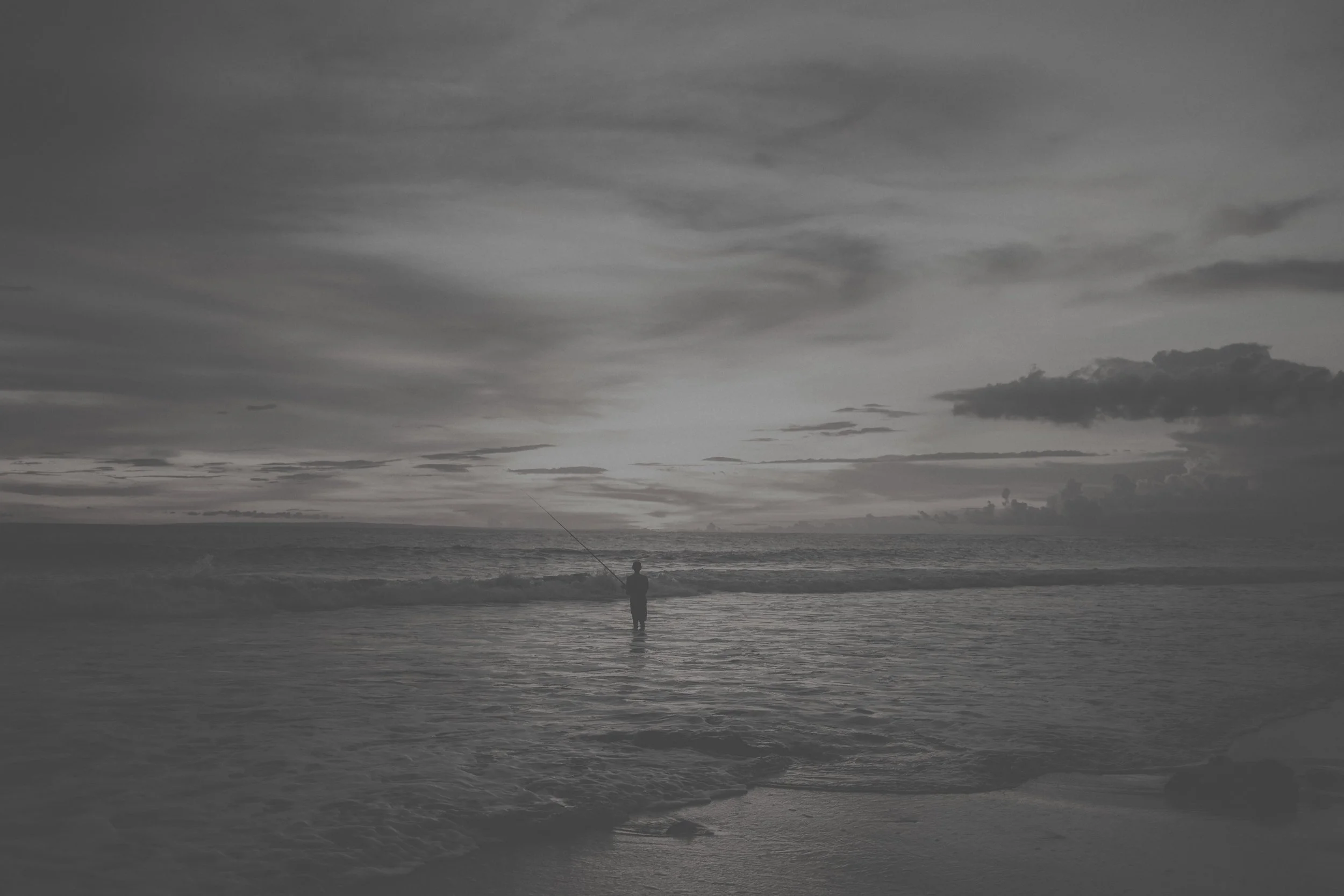
Issue: The ʻOhana Council raised a concern that the temporary construction fence blocked traditional community access to a nearby shoreline fishing spot.
Partnering Resolution: The issue was brought directly to the Kuleana Steering Committee (Step 3). The Developer (Koa Living Trust) and the GC immediately paid for and constructed a dedicated, temporary, and safe access path around the fenced area, supervised by the ʻOhana Council. This quick, respectful action dramatically strengthened public trust and adherence to the Positive Public Perception goal.
Original photo by Elina Sazonova on Pexels